Overview
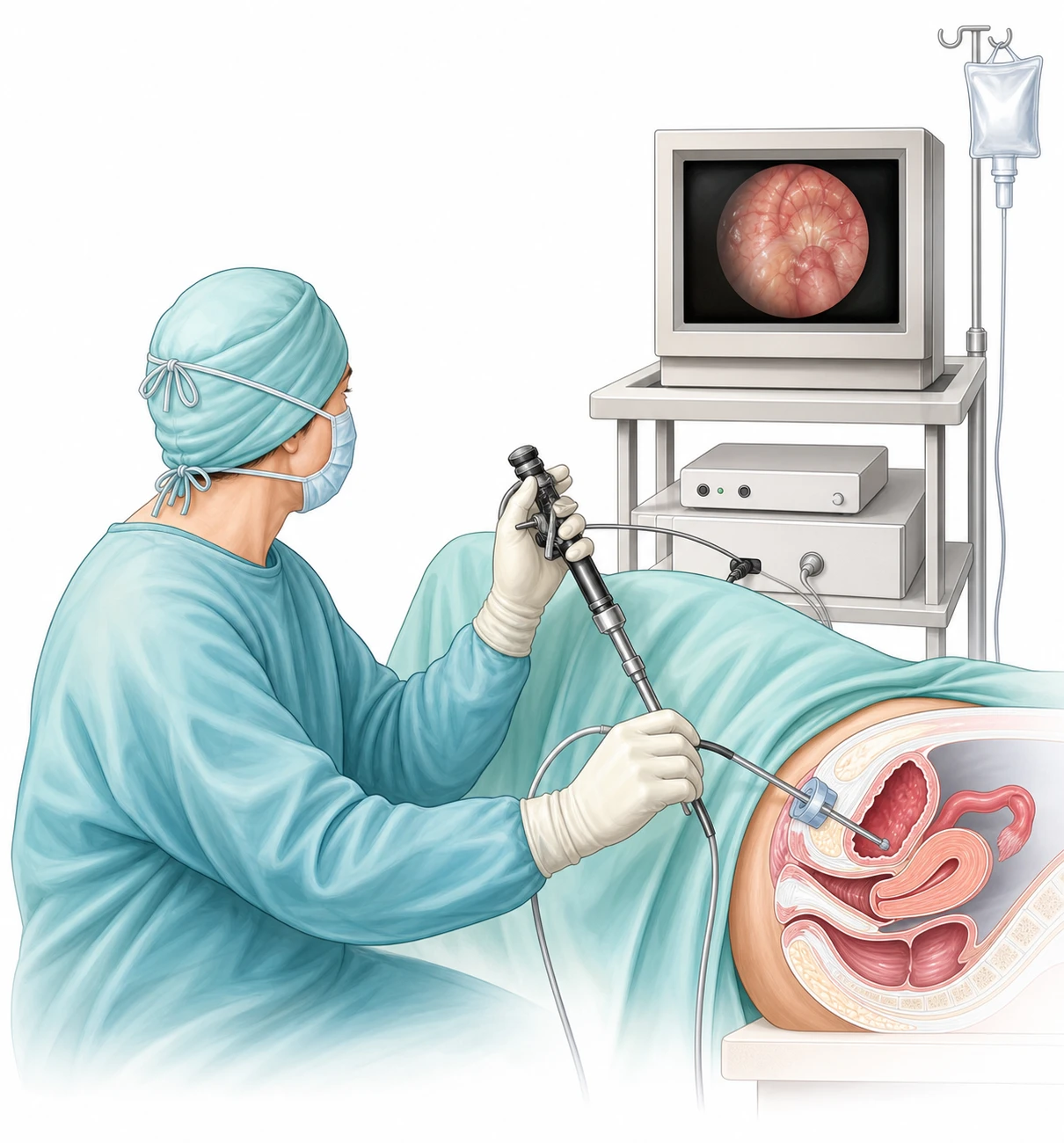
Cystoscopy is a procedure that allows direct visualization of the inside of the bladder and urethra using a small telescope (cystoscope) inserted through the urethra. It is a key diagnostic tool in urogynecology, both in the office setting and during surgical procedures.
When Is It Considered?
Cystoscopy may be recommended for:
- Recurrent urinary tract infections when there are atypical features or concern for a structural cause; routine cystoscopy is not needed for uncomplicated recurrence
- Blood in the urine (hematuria) when risk-stratified evaluation indicates direct bladder examination
- Urinary symptoms when the diagnosis remains uncertain or another bladder condition is suspected; routine cystoscopy is not part of initial OAB assessment
- Painful bladder symptoms when Hunner lesions or another bladder condition are suspected; most IC/BPS patients do not have a defining cystoscopic finding
- Abnormal cells found in a urine sample
- Evaluation of bladder or urethral pain
- During or after pelvic reconstructive surgery to confirm bladder and ureteral integrity
The Procedure
- A flexible or rigid cystoscope (approximately pencil-thickness) is gently inserted through the urethra into the bladder
- The bladder is filled with sterile fluid to allow clear visualization of the bladder wall
- Local anesthetic gel is applied to the urethra for office procedures; regional or general anesthesia is used during operative cases
- The procedure typically takes 10-20 minutes in the office setting
- Biopsies or small therapeutic interventions can be performed if needed
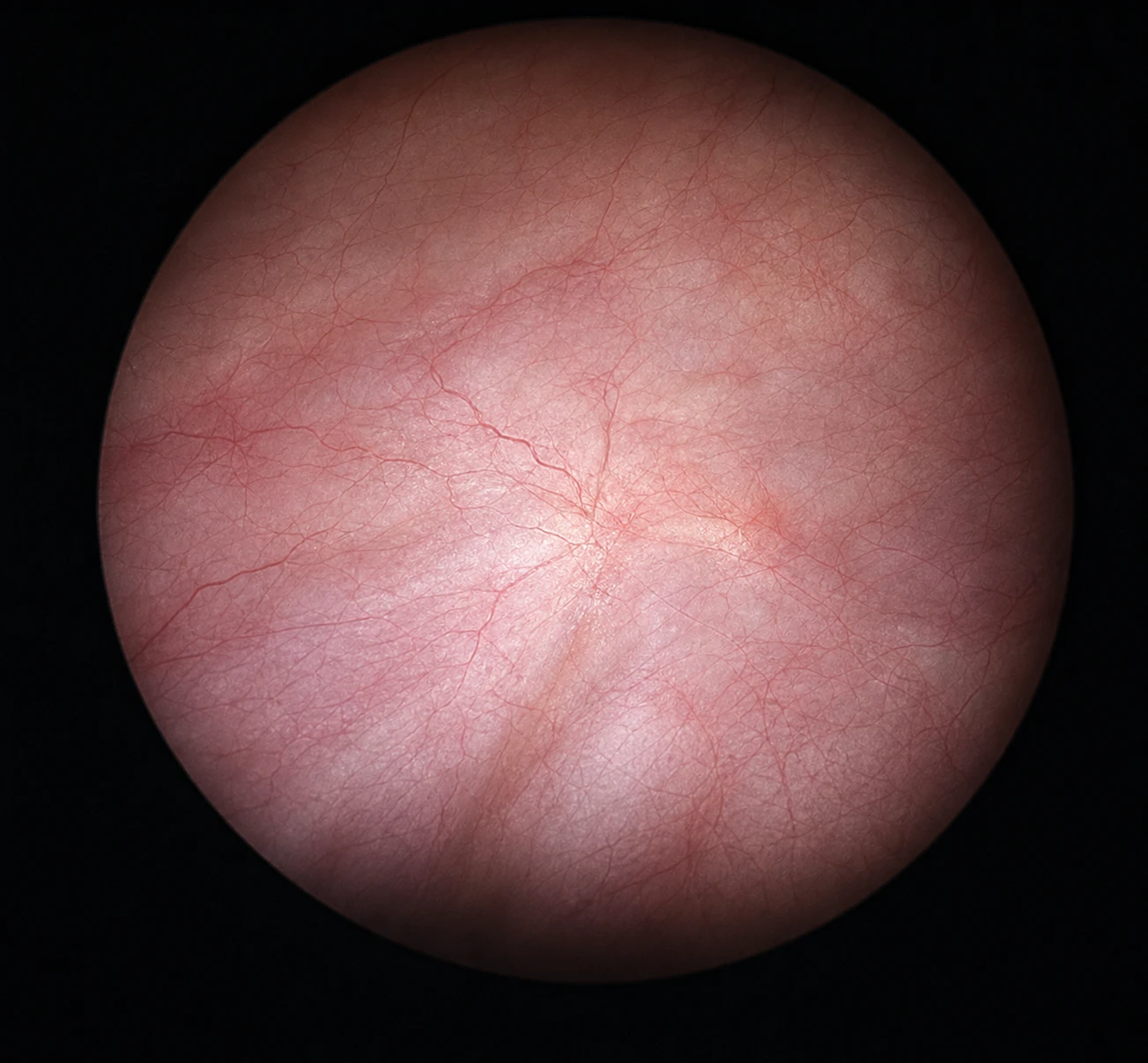
Illustration of bladder lining, not a patient photograph.
Intraoperative Cystoscopy
Cystoscopy is frequently performed during pelvic reconstructive and gynecologic surgery to:
- Confirm no injury to the bladder during the procedure
- Verify that both ureters are functioning normally (bilateral ureteral patency)
- Check for suture or mesh placement within the bladder or urethra
- Whether it is needed depends on the operation and intraoperative findings
What to Expect After
- Mild burning or stinging during urination is common and usually resolves within 24 hours
- Small amounts of blood in the urine may occur briefly
- You may feel a more frequent urge to urinate temporarily
- Increased fluid intake is recommended to help flush the bladder
- Follow individualized fluid advice if you have heart, kidney, or other conditions that require restriction
- Most patients can return to normal activities the same day or the following day
Risks and Expectations
Cystoscopy directly examines the urethra and bladder but does not by itself assess all causes arising from the kidneys or ureters, and a normal examination does not explain every urinary symptom. Potential risks include:
- Urinary tract infection — uncommon
- Bleeding — minor and self-limiting
- Urethral or bladder injury — rare, including perforation
- Discomfort — most women tolerate the procedure very well with local anesthesia
Seek prompt assessment after cystoscopy for fever, chills, inability to urinate, worsening pain, heavy bleeding or clots, or feeling systemically unwell.
Sources
Clinical content updated July 2026. Sources: AUA/SUFU Microhematuria Guideline and AUA IC/BPS Guideline.