Overview
Botulinum toxin (Botox) can be injected into the bladder muscle via cystoscopy to treat overactive bladder (OAB) that has not responded to conservative measures and medications. The toxin causes relaxation of the bladder muscle, reducing urgency and allowing the bladder to store more urine.
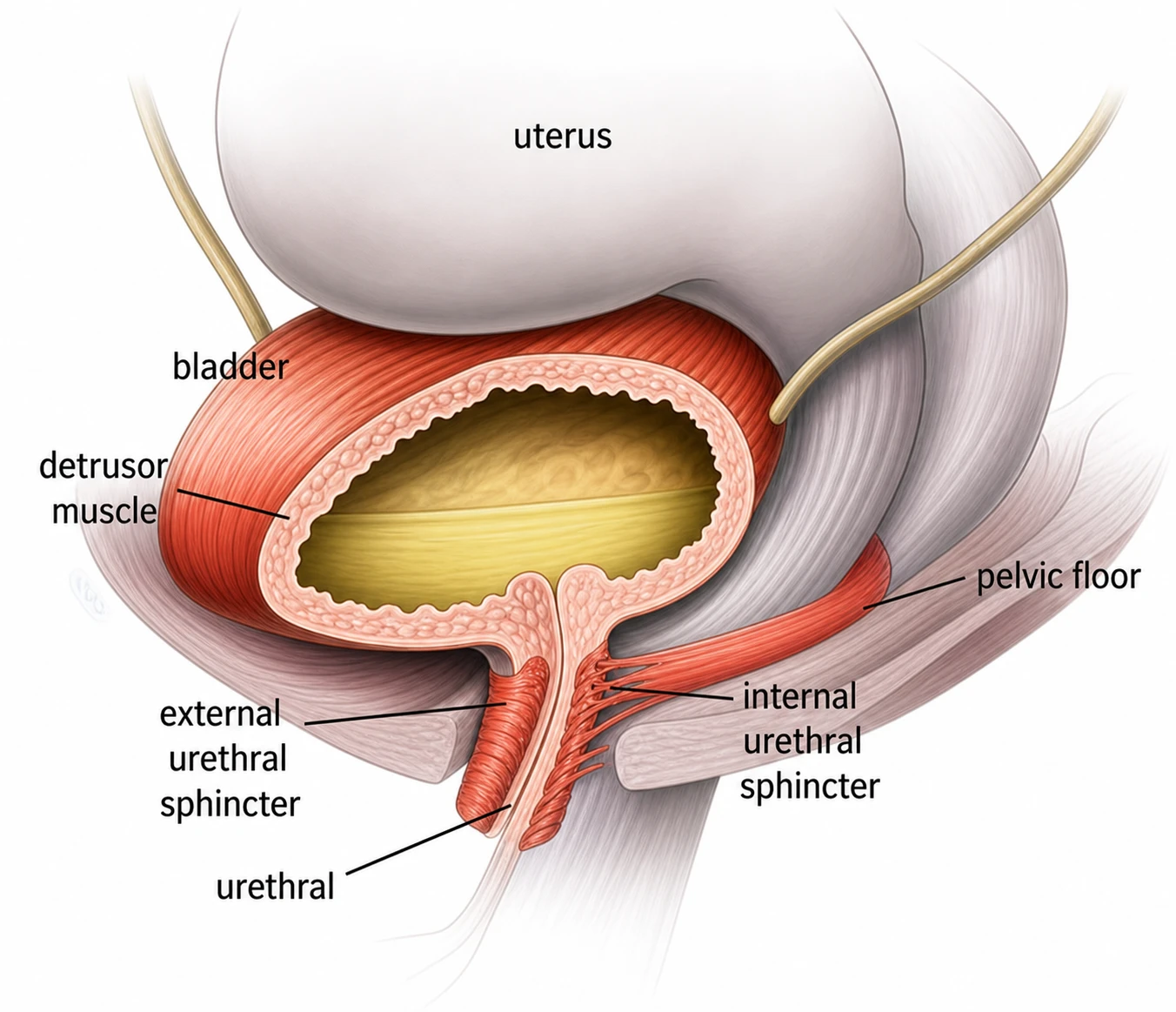
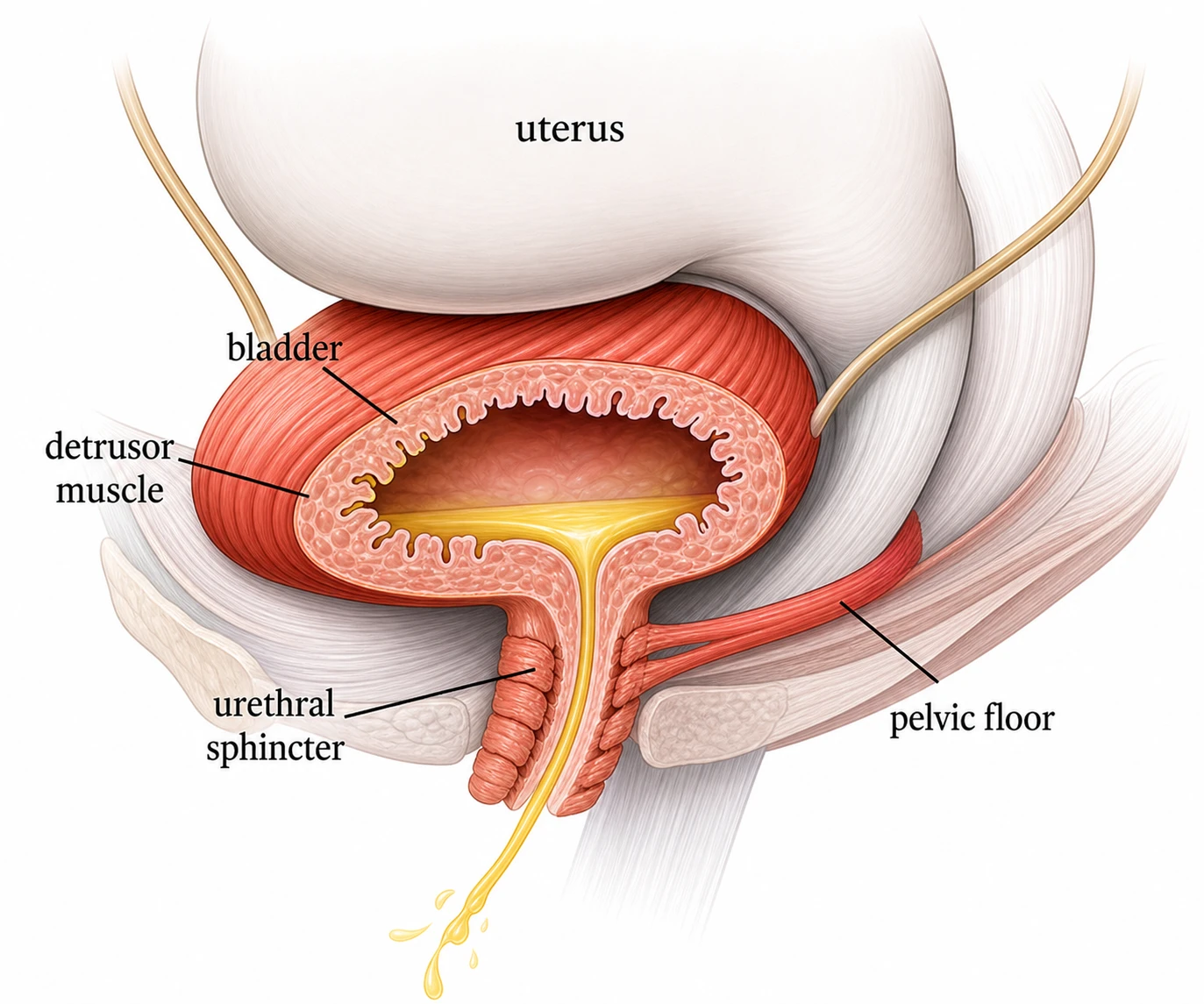
When Is It Considered?
Botox bladder injections are typically offered when:
- Lifestyle modifications and bladder training have been insufficient
- Oral OAB medications have not been effective or have caused intolerable side effects
- Symptoms significantly affect quality of life
The Procedure
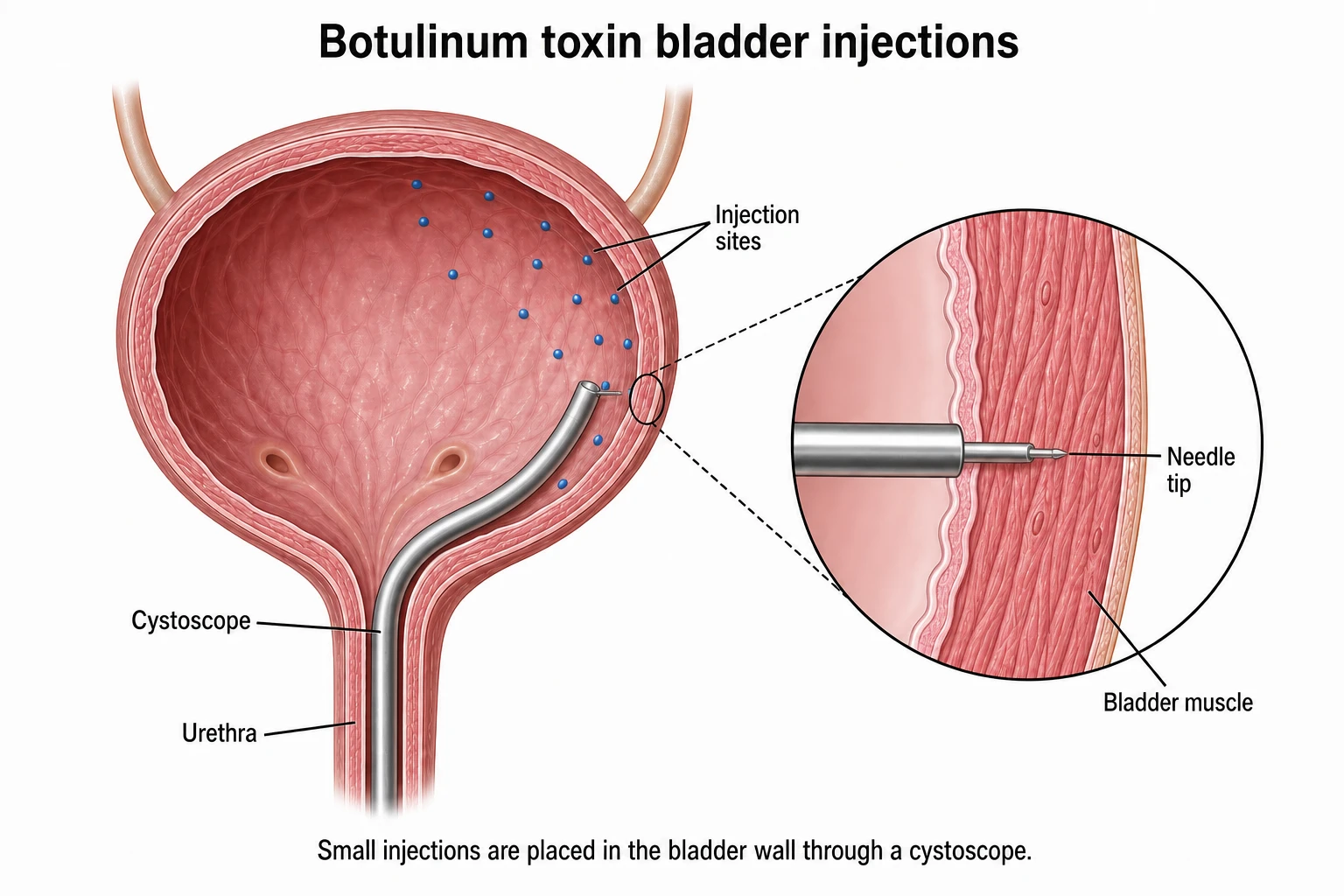
- Performed as an outpatient procedure using a cystoscope (small camera inserted into the bladder through the urethra)
- Local anesthetic is instilled into the bladder prior to injection
- Multiple small injections of botulinum toxin are placed into the bladder wall
- The procedure takes approximately 15-20 minutes
Expected Benefit
Many patients have fewer urgency and leakage episodes after treatment, but response varies and symptoms may not disappear completely. Benefit is temporary; repeat injections can be considered when symptoms return. Your clinician will discuss the dose, expected duration, and outcomes that matter most to you.
Post-Procedure
- You can usually return to normal activities the same day
- Improvement may be noticed within 1-2 weeks
- A follow-up appointment is typically scheduled to assess effectiveness and check for retention
- The procedure can be repeated when benefit wears off if it remains appropriate and safe
Risks and Expectations
Symptom relief often begins within the first two weeks and commonly lasts for several months, but timing varies. Before treatment, patients should be willing and able to perform temporary intermittent self-catheterization if bladder emptying becomes inadequate. Potential risks include:
- Urinary tract infection — risk is higher after injection than with placebo in clinical studies
- Incomplete bladder emptying — may require temporary intermittent self-catheterization; risk depends on dose, patient factors, and the definition used
- Blood in the urine — may occur briefly after the procedure
- Allergic reactions — rare, including anaphylaxis
- Generalized weakness — very rare
Sources
Clinical content updated July 2026. Source: AUA/SUFU Guideline on Idiopathic Overactive Bladder.