Overview
Bladder training is a behavioral therapy that involves scheduled voiding and strategies to delay urgency, with the goal of increasing bladder capacity and reducing urgency and frequency symptoms. It is a first-line treatment for overactive bladder and urgency incontinence.
How It Works
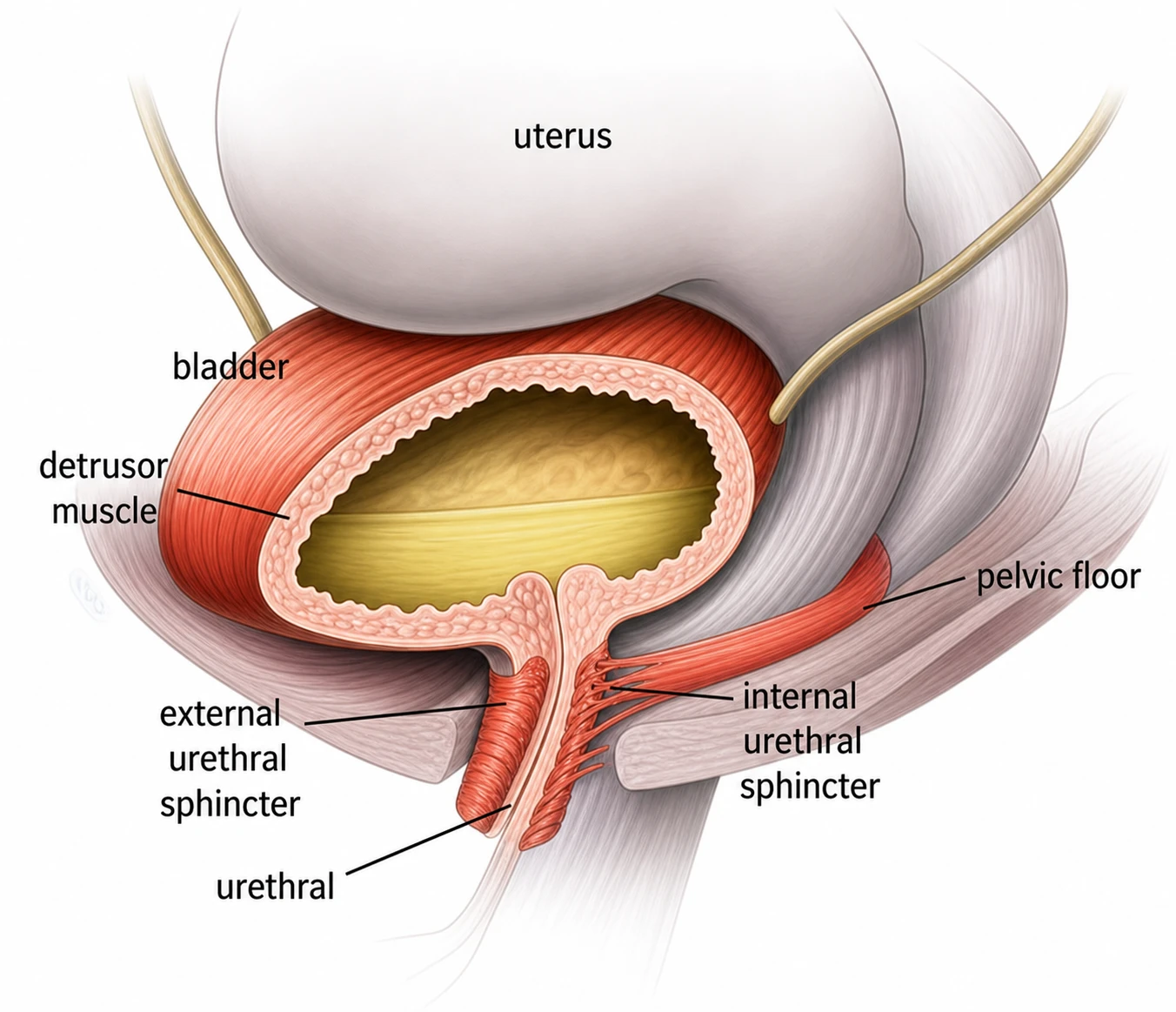
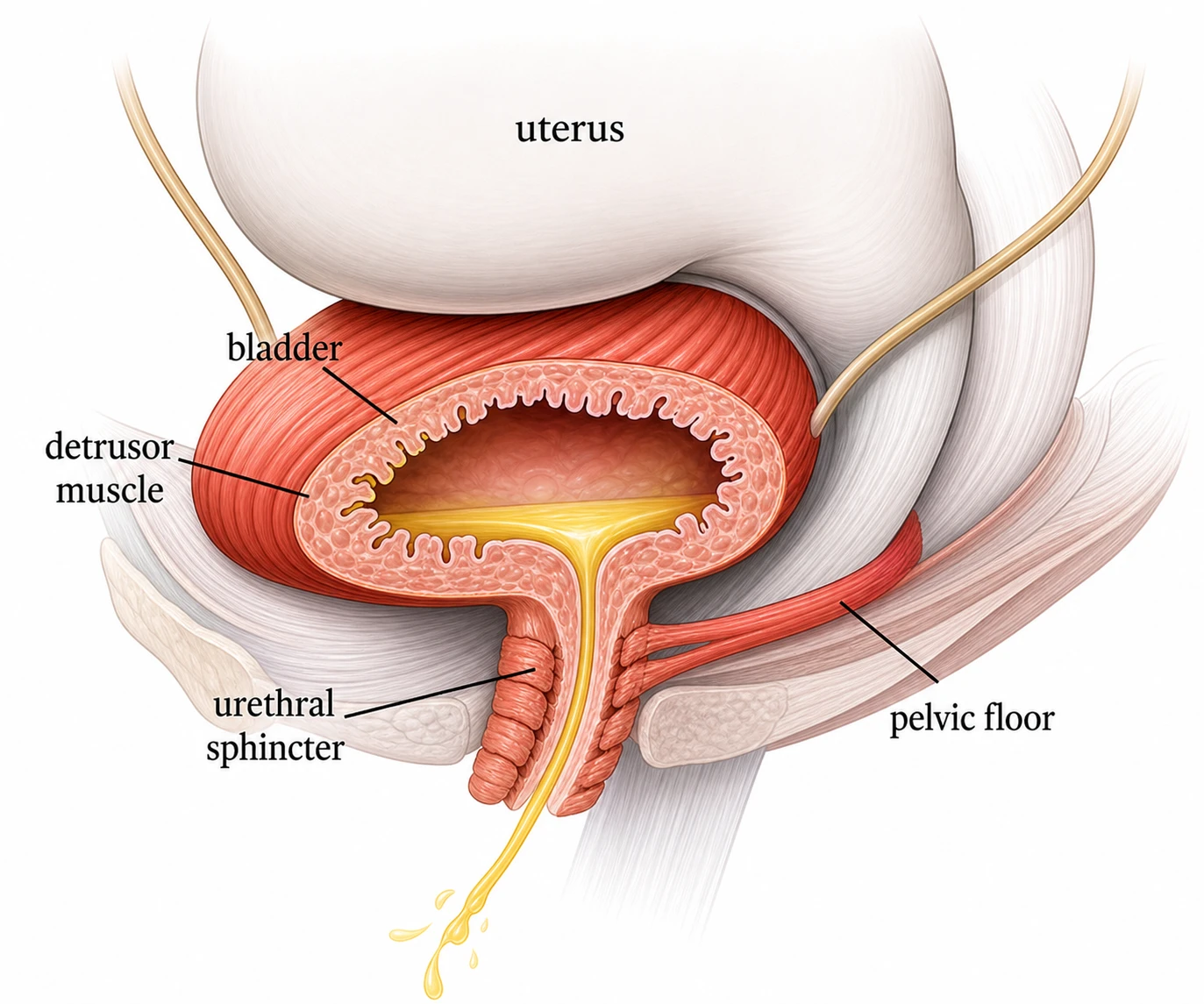
Over time, if you go to the toilet very often to avoid urgency episodes, your bladder becomes conditioned to hold less and less urine. Bladder training aims to reverse this cycle by gradually increasing the time between toilet visits and teaching techniques to suppress urgency.
The Program
- Determine your baseline: Using a bladder diary, establish how often you currently void
- Set a schedule: Begin with an interval close to your current pattern
- Practice urgency suppression: When you feel an urge between scheduled times, use distraction techniques and pelvic floor muscle contractions to defer voiding
- Gradually extend intervals: Increase the time between scheduled voids by 15-30 minutes every 1-2 weeks
- Goal: Work toward a comfortable interval that reduces urgency without pain or unsafe withholding
Tips for Success
- Keep a bladder diary to track progress
- Practice pelvic floor muscle contractions when urgency strikes
- Use distraction techniques (counting, deep breathing)
- Use individualized fluid advice; excessive drinking and unnecessary restriction can both worsen symptoms
- Reduce caffeine, alcohol, or carbonated beverages only if the diary suggests they are triggers
- Be patient — improvement is gradual and timing varies
Effectiveness
Bladder training improves urgency, frequency, or urgency incontinence for many patients, but response and timing vary. Do not delay urination through severe pain, and seek individualized guidance if you have urinary retention, recurrent infection, significant pelvic pain, pregnancy, or a condition that affects fluid balance. Consistent practice is important for sustained benefit.
Sources
Clinical content updated July 2026. Source: AUA/SUFU Guideline on Idiopathic Overactive Bladder.