What is a Pessary?
A pessary is a removable silicone device placed in the vagina to provide support for pelvic organ prolapse or to help manage stress urinary incontinence. With proper care, a pessary can be a comfortable and effective long-term management option.
Types of Pessaries
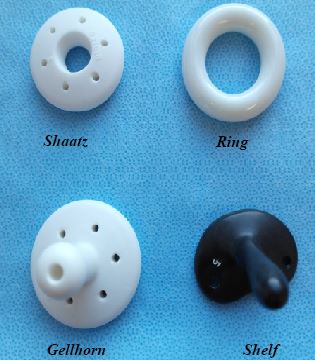
- Ring pessary: Most commonly used; may have a support shelf for additional bladder support
- Gellhorn pessary: Provides stronger support for more advanced prolapse Other designs, including cube and incontinence pessaries, are available but are not shown in this image.
Daily Care
If You Self-Manage Your Pessary
Many women learn to remove, clean, and reinsert their pessary independently:
- Remove the pessary on the schedule recommended for your specific device and circumstances
- Wash with mild soap and warm water
- Rinse thoroughly and allow to dry
- Reinsert in the morning or as directed
- Cleaning schedules vary by pessary type, symptoms, and whether you can self-manage
If Your Doctor Manages Your Pessary
- Regular follow-up appointments on the schedule recommended by your clinician
- Your doctor will remove, inspect, and clean the pessary
- The vaginal walls will be examined for any irritation or erosion
Vaginal Estrogen
Local vaginal estrogen is often recommended alongside pessary use, particularly for postmenopausal women. It helps maintain vaginal tissue health, reduces the risk of irritation and erosion, and improves comfort.
When to Contact Your Doctor
- Increased vaginal discharge with odor
- New vaginal bleeding or blood-stained discharge. Do not assume it is caused by the pessary; the device and vaginal tissue should be checked and other causes may need assessment.
- Pain or discomfort that does not resolve with repositioning
- Difficulty with urination or bowel movements
- The pessary falls out repeatedly
- Any concerns about fit or comfort
Important Reminders
- Sexual intercourse is possible with some types of pessaries (especially ring pessaries) in place
- Remove the pessary before intercourse if it is uncomfortable
- A pessary does not protect against sexually transmitted infections
- Regular follow-up is essential for long-term safe use
If you cannot pass urine, have severe pain, heavy bleeding, fever, or feel very unwell, seek urgent medical care rather than waiting for a routine appointment.
Sources
Clinical content updated July 2026. Source: AUGS-SUNA Clinical Consensus Statement on Vaginal Pessary Use.