What is Overactive Bladder?
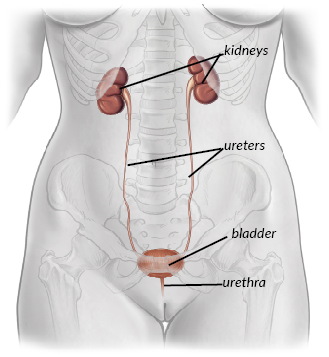
Overactive bladder (OAB) is a very common condition that causes distressing and inconvenient symptoms. It can cause you to rush to the toilet many times during the day and night, and sometimes causes urine leakage before reaching the toilet.
OAB is the name given to the following collection of bladder symptoms:
- Urgency — a sudden and intense need to pass urine that cannot be put off, even when your bladder is not full. If you do not make it to the toilet in time and leak, this is called urge incontinence.
- Frequency — urinating more often than feels normal or manageable for you.
- Nocturia — waking from sleep to urinate.
OAB affects women and men of all ages and is not simply a result of getting older.
How Does it Happen?
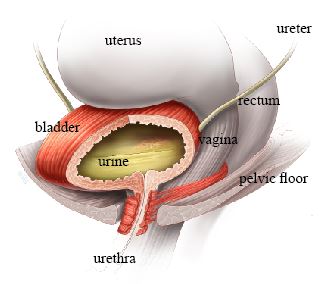
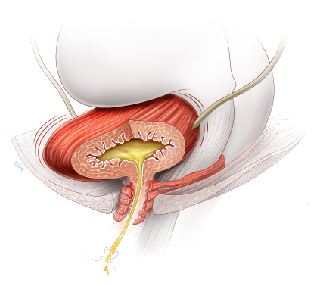
OAB is a symptom syndrome, usually defined by urgency with frequency and nocturia, with or without urgency incontinence, when infection or another obvious cause is not present. Involuntary bladder-muscle contractions (detrusor overactivity) may be seen during urodynamic testing, but they are not present in everyone with OAB and are not required for diagnosis.
Causes
Your doctor will test your urine to rule out an infection, which is a common cause of OAB symptoms. Other contributing factors include:
- Conditions affecting the nervous system
- Previous surgery for stress incontinence
- The amount and type of liquids you drink (caffeinated drinks significantly worsen OAB symptoms)
- Bladder stones or growths
For many women, the exact cause of their OAB is never found. Despite this, there are many treatments which can help manage symptoms.
Diagnosis
When you see your doctor, they will ask about your bladder function, fluid intake, and general health. You will be examined to rule out any contributing gynecological problems. Diagnostic tests may include:
- Urinalysis — to check for infection or blood in the urine
- Residual urine measurement — using ultrasound to check whether you are emptying your bladder properly
- Urodynamic studies — not routine for a straightforward initial presentation; used selectively when the diagnosis is uncertain, symptoms are complex, or results may change treatment
Treatment Options
Lifestyle Modifications
Caffeine, alcohol, carbonated drinks, or acidic drinks worsen symptoms for some people. A bladder diary can help identify personal triggers. Fluid advice should be individualized: both excessive intake and unnecessary restriction can worsen health or symptoms, and some medical conditions require specific limits.
Bladder Training
Gradually increasing the time between visits to the toilet helps your bladder hold more urine. It involves trying to hold on for a little longer if you experience the urge to empty, gradually extending the interval. Your doctor or physiotherapist can guide you through this treatment.
Pelvic Floor Exercises
Pelvic floor muscle training improves the ability to suppress urgency and helps reduce leakage episodes.
Medications
Several medications can help with an overactive bladder. They enable you to hold on longer, reduce frequency, and decrease leaking. Side effects such as dry mouth or constipation may occur. Sometimes you may need to try several different drugs before finding one that suits you. Your bladder may improve after a few months of treatment, allowing you to come off the medication, though many women need longer-term therapy.
Advanced Treatments
For symptoms that persist despite conservative measures:
- Botulinum toxin injections: Injected into the bladder wall through a cystoscope. Benefit is temporary, repeat treatment is commonly needed, and risks include urinary infection and incomplete emptying that may require temporary self-catheterization.
- Tibial nerve stimulation: Stimulates the nerves that control bladder function via a nerve near the ankle, retraining bladder behavior.
- Sacral neuromodulation: A nerve stimulator is implanted to directly stimulate the nerves controlling bladder function. Offered for severe, persistent symptoms that have not responded to other treatments.
Treatment is chosen through shared decision-making. Options can be considered in the order that best fits your symptoms, medical history, preferences, and tolerance for side effects or procedures.
Sources
Clinical content updated July 2026. Source: AUA/SUFU Guideline on Idiopathic Overactive Bladder.