What is Interstitial Cystitis / Bladder Pain Syndrome?
Interstitial cystitis, also called bladder pain syndrome (IC/BPS), involves unpleasant bladder-related pressure, discomfort, or pain with lower urinary tract symptoms lasting more than six weeks when infection or another identifiable cause is not found. Symptoms and findings vary widely. Most patients do not have a defining cystoscopic abnormality; Hunner lesions are present in a subset.
Symptoms
- An urgent need to urinate, both when awake and asleep, which may be difficult to defer
- A frequent need to urinate out of proportion to liquid consumption
- Pressure, pain, and tenderness around the bladder, pelvis, and perineum that often increases as the bladder fills and decreases as the bladder empties
- A bladder that does not hold as much urine as it did before
- Pain during sexual intercourse
Symptoms vary greatly between individuals and even in the same person over time. Many women find that symptoms worsen before their menstrual period. Stress may also make symptoms worse, but it does not cause the condition.
What Causes IC/BPS?
The cause is not fully understood and is unlikely to be the same for everyone. Changes in bladder sensation, pelvic floor muscle tenderness, nervous-system pain processing, immune pathways, and other pain conditions may contribute. The proposed "leaky bladder lining" theory has not been established as the cause of IC/BPS and is not a diagnostic finding.
Diagnosis
Diagnosis is based on a characteristic history, examination, and focused testing to exclude other causes such as urinary infection, stones, vaginal or vulvar conditions, and—when risk factors are present—bladder cancer.
Diagnostic steps may include:
- Detailed symptom assessment
- Urinalysis
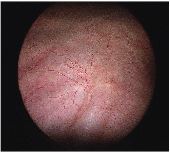
- Cystoscopy in selected cases when the diagnosis is uncertain, Hunner lesions or another bladder condition are suspected, or findings would change treatment. Glomerulations or pinpoint bleeding are nonspecific and do not by themselves diagnose IC/BPS.
- Bladder diary
- Urodynamic testing in selected cases
Treatment Options
Because the causes are not fully understood, current treatments are aimed at relieving symptoms. One or a combination of treatments helps most people:
Dietary Modifications
Foods and drinks affect people differently. A short food-and-symptom diary, followed by removing and reintroducing suspected triggers one at a time, is preferable to a permanently restrictive diet.
Bladder Training
If bothered by frequency or urgency without significant pain, bladder training with gradually increasing intervals between voiding may help.
Physical Therapy
When the pelvic floor is tender or high-tone, a trained physiotherapist may use internal or external manual therapy, relaxation, and down-training. Routine strengthening exercises such as Kegels can worsen symptoms in this setting and should not be started without an appropriate assessment.
Medications
- Pentosan polysulfate — May be considered after discussion of uncertain benefit and the risk of pigmentary maculopathy. Baseline and ongoing retinal assessment may be recommended.
- Amitriptyline — Blocks pain and reduces bladder spasms. Usually taken at bedtime as it may cause drowsiness.
- Antihistamines — May help when inflammation has an allergy-based component.
Bladder Instillations
A catheter is used to place medication into the bladder. The medication, schedule, expected benefit, and adverse effects vary and should be individualized.
Bladder Distension
Low-pressure, short-duration hydrodistension under anesthesia is an option for selected patients. Benefit is unpredictable and often temporary. High-pressure, long-duration distension is not recommended because of greater risk.
Stress Management
Stress does not cause IC/BPS, but stress-management strategies can reduce symptom flares for some people. Evidence for complementary therapies varies; discuss safety and cost before starting them.
Treatment usually proceeds through shared decision-making and may require trials of more than one option. Ineffective treatments should be stopped, and the diagnosis should be reconsidered if several appropriate approaches provide no benefit.
Sources
Clinical content updated July 2026. Source: AUA Guideline: Diagnosis and Treatment of Interstitial Cystitis/Bladder Pain Syndrome.